Our little Rainbow Cats colony consists of cats of different ages, colours and, of course, personalities. With many of them, we have established regular feeding times, and they always make sure to show up right on time. Not all of them are trusting or affectionate from the beginning, but our experience has shown that almost every cat, given enough time and patience, can become a wonderful house cat.
We would be very happy to find loving homes for all our Hopeful Ones, sooner or later. Neutering is non-negotiable. We arrange for the cats to be spayed or neutered whenever we can afford the costs, while also working towards establishing an officially recognised feline colony. This would give us access to public veterinary services for neutering and other essential medical care.


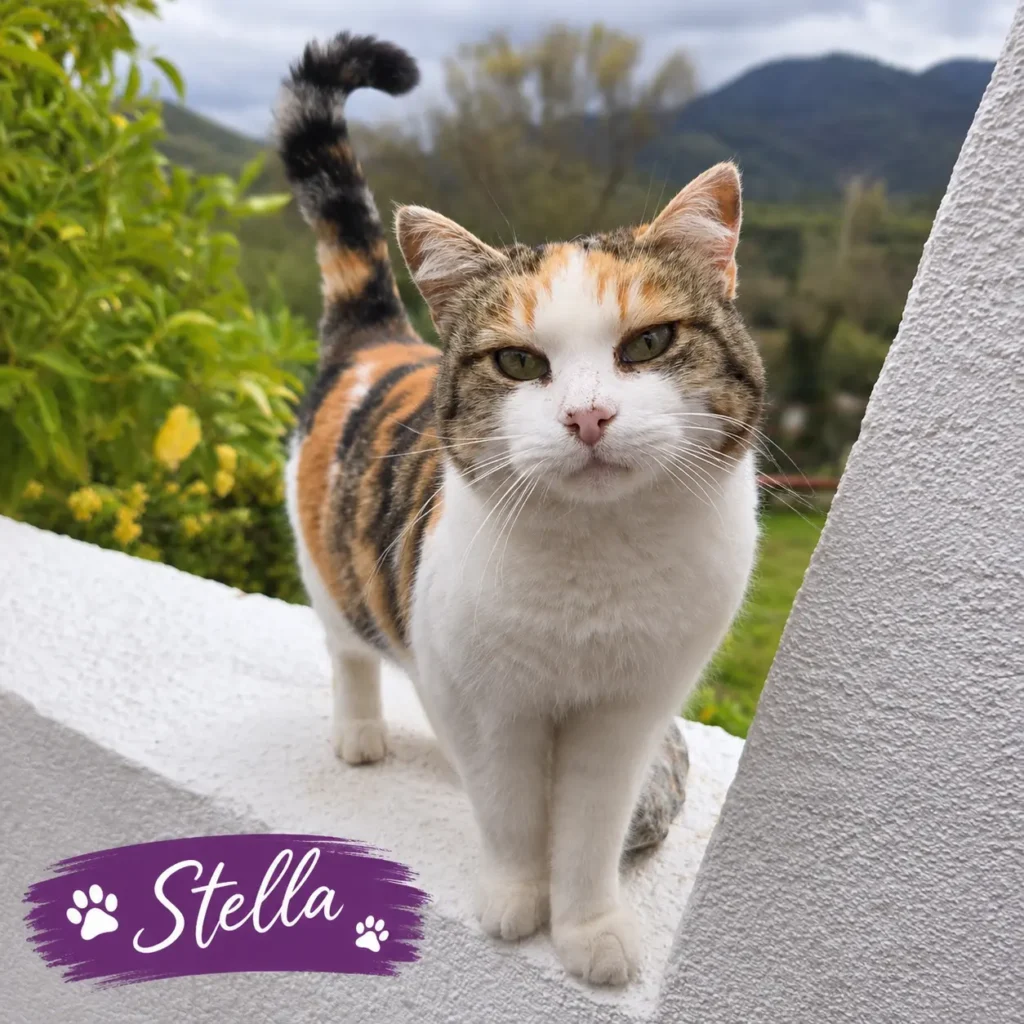
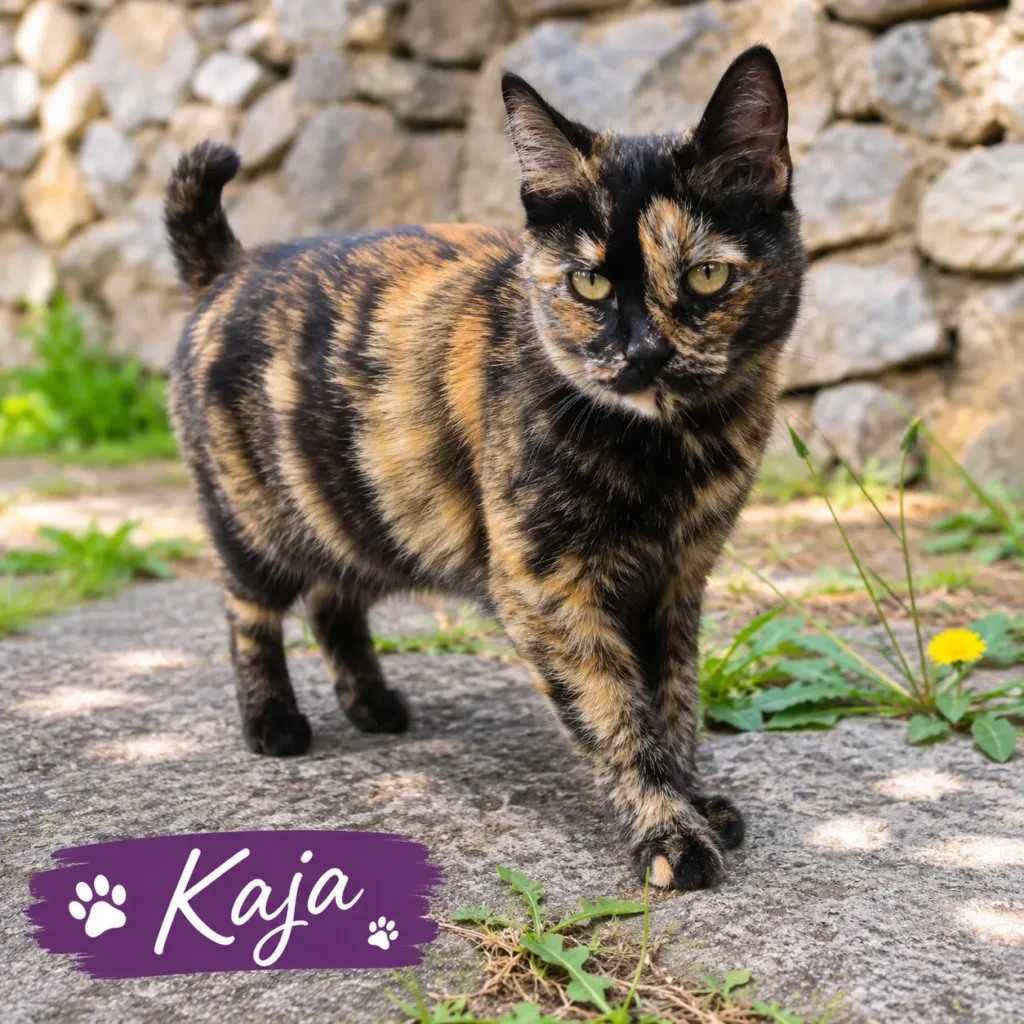
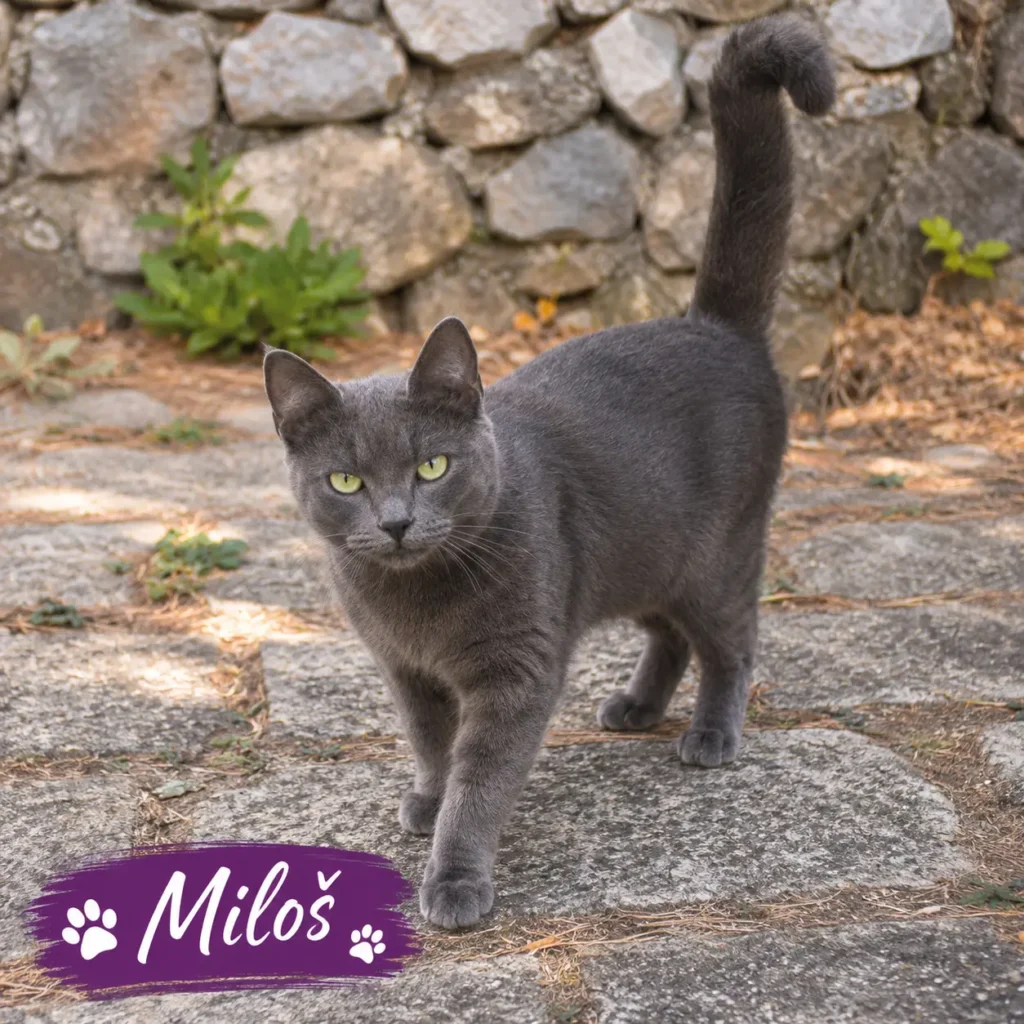


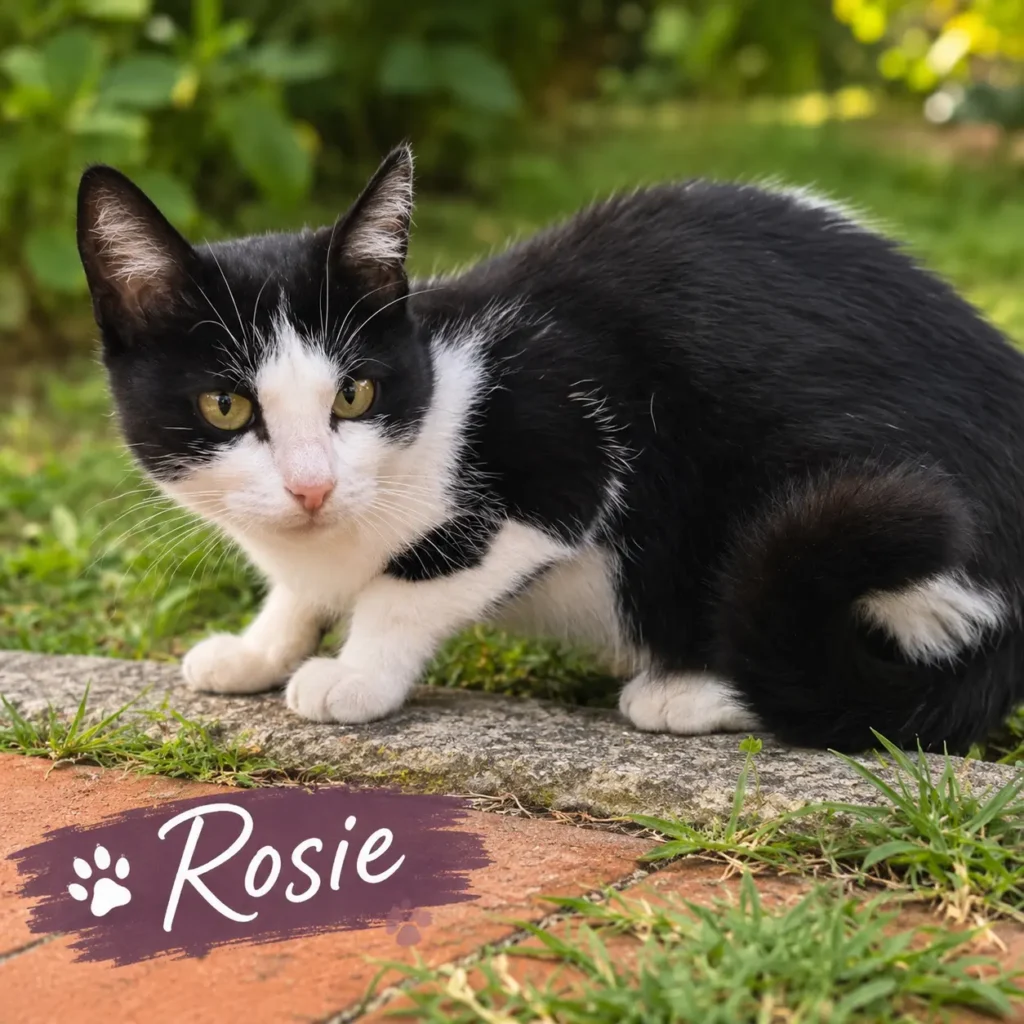

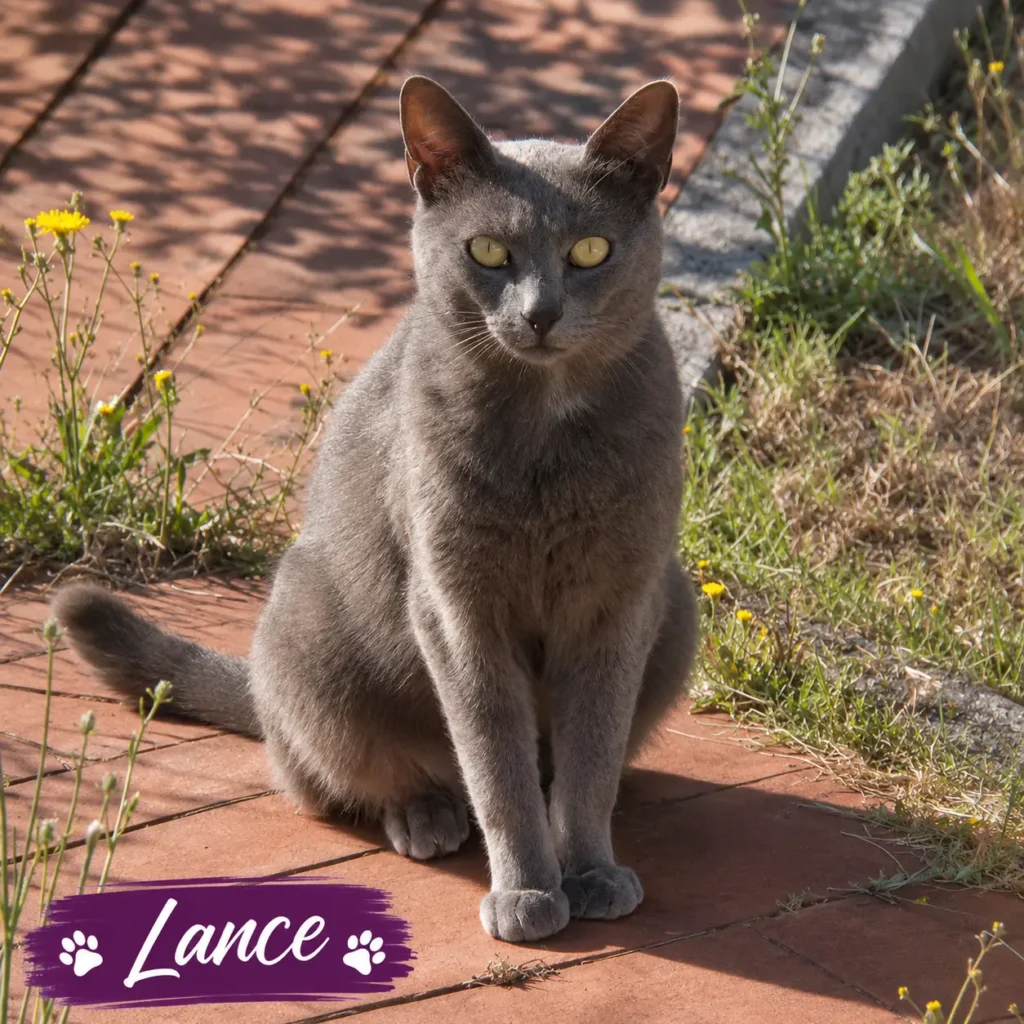

Why Adopt a Cat from the Streets?
A street cat is no different from any other cat. They have the same need for safety, companionship, affection and a place to call home. The only difference is that life has not yet given them that opportunity. Some street cats are surprisingly trusting from the very first encounter.
Others have learned to be cautious around people, especially if their previous experiences have been unpleasant. But being shy or frightened does not mean a cat is incapable of forming a close bond with humans. In fact, we have found that street cats often crave much more than a full food bowl.
They seek our company, greet us when we arrive, follow us around and ask to be stroked. Some seem almost disappointed when we have to leave.
Adopting a street cat means giving an animal the chance to experience a life without the constant struggle for food, shelter and safety. And for the person who welcomes them home, it can be the beginning of a wonderful friendship.
From Strangers to Friends
It usually begins with a first encounter. A cat appears somewhere nearby, perhaps curious, perhaps hungry, but often too frightened to let anyone approach. We offer some food and keep our distance. Sometimes the cat disappears the moment we move.
Sometimes they wait until we have left before coming over to eat. And sometimes they surprise us by walking straight up to us, as though we have known each other for years. If the cat returns, so do we. Over time, feeding becomes a familiar routine.
The cat begins to recognise us, learns that we mean no harm and gradually becomes more comfortable in our presence. The first signs of trust can be tiny. A cat that once ran away now stays nearby while we fill the bowl. Another begins to greet us with a meow.
Eventually, there might be a cautious sniff of an outstretched hand, a gentle head bump or the very first opportunity to stroke them. There is no fixed timeline. Some cats reach that point within days, while others take months or even years.
We never expect them to follow the same path. And sometimes, a cat simply prefers to keep their distance. Our Melody is the only cat we have ever lived with who, even after years together, still wants no physical contact with humans.
She is comfortable sharing her home with us, but being touched is something she has never wanted. We respect that. Affection cannot be demanded, and trust does not have to end in cuddles.
For most of the street cats we have known, however, food has eventually become only one part of our relationship. They may live outdoors, but that does not mean they want to live without love.